


An electric dryer is a valuable laundry appliance if you live in an apartment building or in a rainy climate. However, it's important to learn how to clean an electric dryer so that you get the best performance from your appliance. There is a series of tasks you have to perform to maintain your dryer correctly. To assist you, we've provided a short guide on how to maintain an electric dryer so that it remains safe to use and dries your clothes at all times.
Find the Perfect Electric Dryer
Upgrade your home with stylish appliances at Furniture & ApplianceMart, today!
Shop DryersIn our post, you'll learn exactly how electric dryers work and how to clean the dryer lint, airflow, and vent sections of the appliance. We've also provided valuable safety tips to protect yourself and your family from any potential mishaps during the cleaning process. Additionally, we've answered all your pressing questions in our FAQ section at the bottom of our post.
How Electric Dryers Work
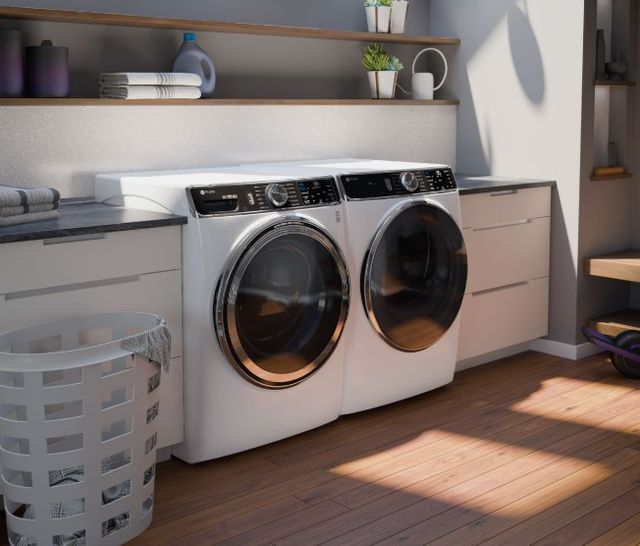
Electric dryers use heated coils to generate warmth that circulates through the drum, which then evaporates moisture from wet clothes. A rotating drum tumbles clothing to expose fabrics evenly to hot air. Fans or blowers push air through vents in an electric clothes dryer that carry humidity out of the appliance. A thermostat and moisture sensor monitor temperature and dryness to prevent overheating or over-drying.
Furthermore, there are components in dryers like heating elements, drum, motor, and venting system that work together for the dryer to work. What's most important is to regularly clean lint traps and vents for better airflow, prevent fire hazards, and prolong the appliance's life. Vented dryer models rely on ducting to exhaust moist air. Understanding these basics helps you appreciate why routine maintenance is so critical — each component depends on the others to function correctly, and neglecting one area can affect the entire system. Whether you've owned an electric dryer for years or just purchased one, a solid understanding of how it operates will help you catch problems early and keep your appliance running at peak efficiency.
Electric Dryer Lint Maintenance Tips
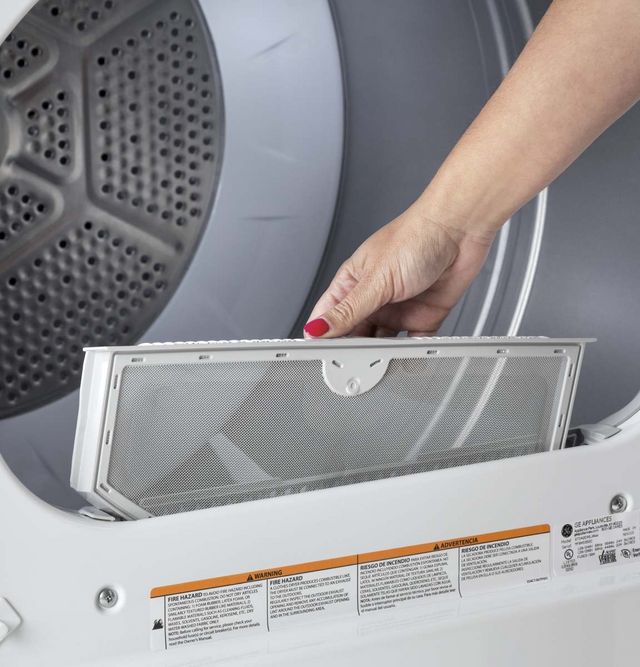
Cleaning your electric dryer regularly can improve performance and minimize safety hazards. One key area that's sometimes overlooked is dryer lint, because it can accumulate quickly and reduce the efficiency of your appliance. In this section, we've provided tips on how to clean and monitor lint so your clothes dry faster and so there are no fire risks in your home.
Why You Should Clean the Lint Filter Regularly
The lint filter should be cleaned after every load so you always get the best airflow. Even a small layer of lint can trap heat and strain the appliance. Frequent cleaning also reduces the chance of lint igniting.
The Proper Way to Clean Lint Screens
To clean your lint screen, remove the screen completely and gently pull off the accumulated lint with your fingers. Use a soft brush or vacuum to remove stubborn fibers. Washing the screen periodically with warm, soapy water will also remove residue and restore airflow. Make sure the screen is dry before reinstalling it to prevent mold.
Hidden Lint Buildup Areas to Watch For
Lint can accumulate beyond the main filter, so check inside the dryer drum edges, the door seal, and the vent pipe. Air ducts, bends in venting, and behind the dryer are common hidden spots. Clean these areas regularly for better airflow and to reduce overheating in your electric dryer.
Signs Lint Buildup is Becoming a Problem
If you have issues with drying efficiency, longer cycle times, or hot external panels, it can indicate lint buildup. Musty odors or smoke are also serious signs that airflow is obstructed. Don't ignore these warning signs because they can lead to fire hazards or mechanical damage. Regularly inspect your dryer so that you don't have to deal with expensive repairs and safety problems.
Proper dryer lint management is important for better appliance function. Routine cleaning and vigilance protect your electric dryer and your home, and it will also keep laundry cycles energy efficient and safe. Pay special attention to hidden areas and early warning signs. If you search for "electric dryer making noise," the most common problem is lint buildup. So prolong the lifespan of your dryer and follow these tips to maintain consistent drying performance.
Electric Dryer Airflow & Vent Cleaning
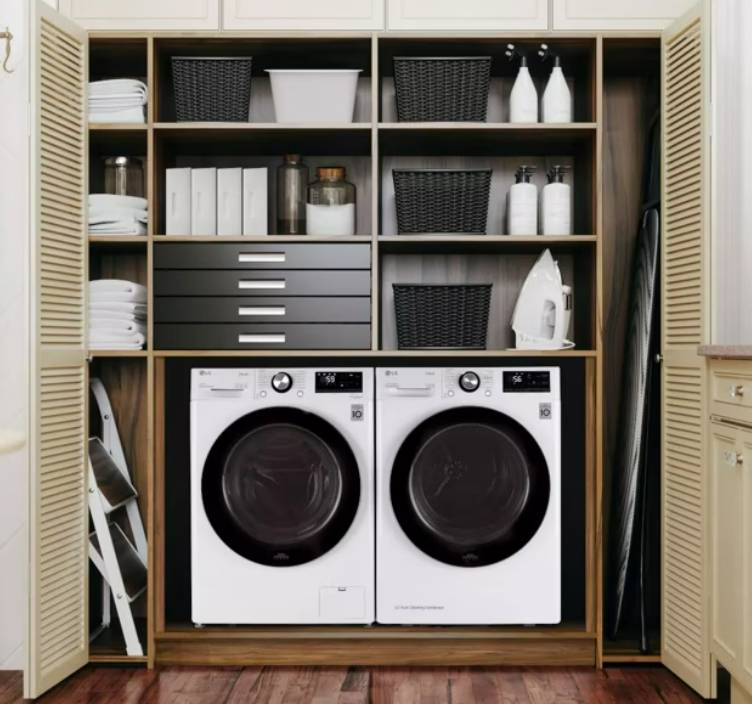
Your electric dryer must have proper airflow for it to function correctly. Blocked vents trap heat, reduce drying performance, and can create fire hazards. If your electric dryer stopped working, it could be because you haven't cleaned out your vent system at all or the right way. Here are tips to assist you with the vent cleaning process.
Why Dryer Vents Need Regular Cleaning
Lint, dust, and debris build up in the venting over time and can restrict airflow. Reduced airflow forces the dryer to work harder, so energy usage will be higher, and there will be more stress on components. Clean your vents so moisture exits properly to prevent mold buildup, and maintain safe operation for an electric vented dryer.
When Should You Clean Dryer Vents?
Experts recommend cleaning dryer vents at least once a year, or more regularly in high-use households. Homes with long duct runs or bends require more frequent attention. Regular inspection of both the vent and the surrounding areas helps prevent costly repairs and fire risks.
Indoor vs. Outdoor Vent Considerations
Indoor venting requires careful monitoring, as lint can settle in walls or ceilings, so detection can be difficult. Outdoor vents are exposed to weather, leaves, and pests, which can block airflow. Both types benefit from periodic cleaning using brushes or vacuum attachments to maintain consistent airflow.
Warning Signs of Blocked or Restricted Airflow
Clothes taking longer than usual to dry, unusually hot dryer surfaces, or excessive lint accumulation indicate restricted airflow. Strange odors or a burning smell are urgent warning signs, as well as the electric dryer not drying your clothes at all. If ignored, airflow restrictions can lead to overheating or mechanical failure.
You must maintain proper airflow so your electric dryer remains efficient, safe, and reliable. Routine vent cleaning prevents blockages, reduces energy costs, and extends the appliance's lifespan. Monitor indoor and outdoor vent conditions for safer drying. Proactive care avoids performance issues and protects your home from potential hazards.
Electric Dryer Safety Tips
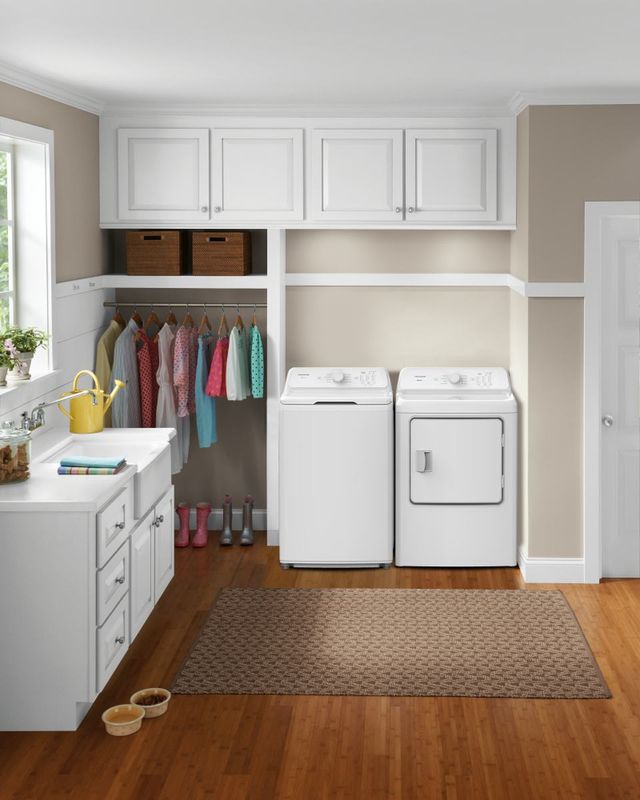
You must maintain consistent dryer safety because it will protect your home, family, and appliance. Many hazards are preventable through proper use, routine cleaning, and timely maintenance. When you begin to understand fire risks, electrical requirements, and warning signs, you can make sure your electric clothes dryer reduces the chance of costly or dangerous incidents. Follow these safety tips to maintain your electric clothes dryer.
Common Dryer Fire Risks
Lint buildup is the leading cause of dryer fires. Flammable fabrics, detergent residue, or paper left in pockets can ignite under high heat. Additionally, if you overload the drum, it can restrict airflow and compromise the safety in your home. That's why regularly cleaning lint screens and vents is essential to prevent hazards.
| Safety Category | Details & Prevention |
|---|---|
| Proper Electrical Connections and Outlet Safety | Make sure the dryer is connected to a dedicated circuit with the correct voltage. Avoid using extension cords or adapters, which can overheat. Inspect cords and plugs regularly for wear or damage. Grounded outlets reduce the risk of shocks or short circuits during operation. |
| Overheating Warning Signs | Unusual heat around the appliance, a burning smell, or frequent cycle interruptions can indicate overheating. Clothes that remain excessively hot after a cycle or uneven drying are also warning signs. Prompt attention prevents damage to the electric dryer and surrounding areas. |
When to Stop Using the Dryer and Call a Professional

If overheating persists, unusual noises occur, or vents appear blocked despite cleaning, stop using the appliance immediately. Any electrical issues, sparks, or persistent odors require professional inspection.
Routine checks, proper loading, and vigilant attention to electrical connections reinforce dryer safety. Following these guidelines keeps your electric dryer functioning and protects your home from fire hazards. Regular maintenance, awareness of warning signs, and timely professional support create a safer, more reliable drying environment for your household.
Read More
Frequently Asked Questions about Electric Dryers
You can tell if a dryer is gas or electric by checking the power connection. A gas dryer uses a standard 120-volt plug for controls and a gas line, while an electric dryer requires a heavy-duty 240-volt outlet. Look behind the appliance for a visible gas line or a large electric cord with a four-prong plug. Additionally, the dryer's model label usually indicates the energy type, specifying "electric" or "gas," which helps confirm its fuel source.
Yes, most electric dryers need to be vented to expel hot, moist air outside your home. The vent connects to a duct that leads outdoors for proper airflow and efficient drying. Without venting, moisture can accumulate in walls or ceilings. This results in mold growth and decreases the dryer's performance.
A electric dryer can use between 2,000 and 6,000 watts per hour, but this will depend on the model, load size, and drying cycle. Running a dryer for an hour can consume roughly 3 to 4 kilowatt-hours, which affects your monthly electricity bill. Energy-efficient models and shorter drying cycles help reduce electricity use while still thoroughly drying clothes.
You can buy electric dryers in various sizes and styles at Furniture and ApplianceMart, as we have options for small apartments or large households. Our store stocks dryers from multiple brands to suit all budgets, so you can compare features, capacity, and energy efficiency. Visit Furniture and ApplianceMart's website or showroom to explore available models, check specifications, and select the dryer that best fits your laundry needs.
Shop Ashley at Furniture & ApplianceMart
At Furniture & ApplianceMart, you’ll find a wide selection of quality Ashley furniture at competitive prices. From custom furniture to top-brand mattresses and major appliances, we make it easy to shop for everything you need in one store. Ask about clearance and scratch-and-dent savings available at every location, professional delivery and installation, design consultations, appliance repair services, and convenient financing options. Visit one of our showrooms across Wisconsin and Illinois or shop online today.
- Shop In-Stock: Shop In-Stock
- Shop By Brand: Shop By Brand
- See Our Services: See Our Services
- Learn About Our Financing Options: Learn About Our Financing Options